Fast-Deployment Foldable Container Houses for Temporary Housing Projects
Source foldable and expandable container houses for emergency housing, worker accommodation, remote sites, and mobile offices — designed for faster deployment, easier relocation, and reliable use after expansion.
Request a Foldable Housing QuoteWhen Traditional Construction Takes Too Long
For emergency response, remote accommodation, and temporary project sites, buyers often need usable space faster than conventional building or complex site assembly can provide.
Urgent Housing Demand
Projects may require worker rooms, emergency shelters, or temporary living space within a short deployment window.
Limited Site Labor
Remote or developing sites may not have enough skilled labor for complicated building work.
Unstable Site Conditions
Temporary land use, disaster zones, construction sites, and changing project phases require movable housing solutions.
Reliability Concerns
Buyers need confidence that the folding structure, waterproof joints, and locking system will perform after expansion.
What Are Foldable Container Houses?
Foldable container houses are modular building units designed to be transported in a folded condition and expanded on site. Unlike flat pack units that arrive as components for full assembly, foldable units are built around a folding structure that helps reduce on-site installation steps and supports faster deployment.
- Folded for transport and site handling
- Expanded on site into usable interior space
- Suitable for temporary or semi-permanent housing needs
- Can be configured with insulation, doors, windows, electrical systems, sanitary options, furniture, and air conditioning

4 Foldable and Expandable Housing Options
Choose from foldable houses, expandable container houses, mobile office cabins, and emergency housing models according to your project urgency, interior space requirement, and site conditions.

Foldable House
A practical fast-deployment housing unit for temporary accommodation, worker rooms, and mobile living space.
- Fast setup reference
- Compact transport condition
- Suitable for temporary housing and site accommodation
Expandable Container House
Designed for buyers who need more interior space after transport while keeping site deployment manageable.
- Expandable layout
- Larger usable interior area
- Suitable for accommodation, office, or multi-function use
Foldable Office Cabin
A mobile site office option for project managers, engineers, security teams, and temporary administration.
- Office layout options
- Electrical and AC options
- Suitable for construction sites and remote projects

Foldable Emergency Housing
A rapid-deployment shelter option for disaster relief, temporary relocation, and urgent public housing needs.
- Emergency-ready concept
- Simple interior configuration
- Suitable for government, NGO, and relief projects
From Folded Unit to Usable Space
Foldable container houses are designed to reduce on-site assembly complexity. The exact deployment time depends on model, site condition, lifting method, and utility connection scope, but the workflow is clearer and faster than conventional construction.
Choose the Right Foldable Housing Model
Different projects require different levels of deployment speed, interior space, mobility, and configuration. Use the guide below as a starting point before requesting a detailed recommendation.
| Buyer Situation | Recommended Product | Key Reason |
|---|---|---|
| Need fast temporary shelter after disaster | Foldable Emergency Housing | Prioritizes quick deployment and basic living function. |
| Need worker accommodation in a remote site | Foldable House / Expandable Container House | Provides temporary living space with practical transport and setup. |
| Need mobile office for construction management | Foldable Office Cabin | Supports office layout, electrical options, and fast relocation. |
| Need more usable space after transport | Expandable Container House | Expands into larger interior space after site setup. |
| Need resale or rental stock | Standardized Foldable House | Easier to standardize, store, demonstrate, and repeat order. |
Built Around the Folding Points Buyers Care About
For foldable container houses, buyers do not only compare wall panels or dimensions. They also need to understand the hinge system, locking method, folding joints, and structural connection details that affect repeated deployment and long-term use.
Hinges are key stress points during folding and expansion. The hinge design, welding, surface treatment, and alignment should be checked before shipment.
Locking parts help secure the expanded structure. Buyers can request photos or videos showing the locking points and final expanded condition.
The main frame, corner points, wall connections, and roof joints should be designed to support stable use after expansion.
For rental, resale, and relocation projects, spare parts and maintenance guidance help reduce risk during repeated movement.
Will It Leak After Folding and Expansion?
Waterproof performance is one of the most important concerns for foldable housing buyers. The final result depends on roof joint design, wall connection, sealing materials, drainage direction, and correct installation after expansion.
Check roof seams, flashing, and joint sealing before shipment and after expansion.
Wall joints and folding connection areas should be checked to prevent water entry during rain or wind-driven moisture.
Sealing strips and joint materials should be inspected, protected during shipping, and replaced when necessary.
Roof slope, drainage route, ground condition, and local rainfall should be considered before site use.
Confirm expanded condition with inspection photos, sealing checks, or test references.
Plan Transport and Site Handling Before Expansion
Foldable units need practical planning before shipment and site delivery. Buyers should confirm folded dimensions, handling method, unloading access, ground condition, and protection for doors, windows, panels, and accessories.
Confirm folded size, packing method, container loading reference, and protection requirements before shipment.
Prepare suitable lifting or handling equipment according to unit weight, site access, and destination conditions.
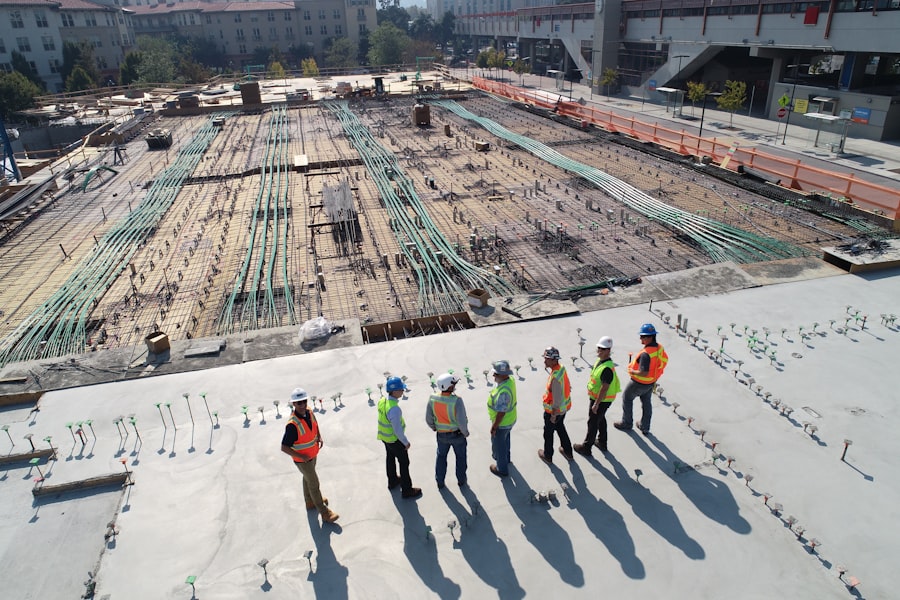
Keep hinges, locks, doors, windows, wall panels, and accessories protected before the unit is expanded and inspected.
Designed for Easier Local Deployment
Foldable container houses are not zero-work products. However, compared with component-based assembly, the deployment workflow can be easier for local teams when installation guidance, tools, foundation preparation, and utility connection are planned in advance.

- Installation video or demonstration reference available upon request for the selected model.
- Workers can follow a clearer unfolding and locking workflow compared with full component assembly.
- Basic tools and handling equipment should be confirmed and prepared before delivery to site.
- Foundation, leveling, drainage, and utility connection still require site planning before expansion.
- Remote guidance can be discussed for project teams that need additional support during deployment.
Where Foldable Container Houses Are Commonly Used
Foldable housing is suitable for projects where speed, mobility, temporary use, and repeated relocation matter more than traditional construction speed or full permanent building systems.

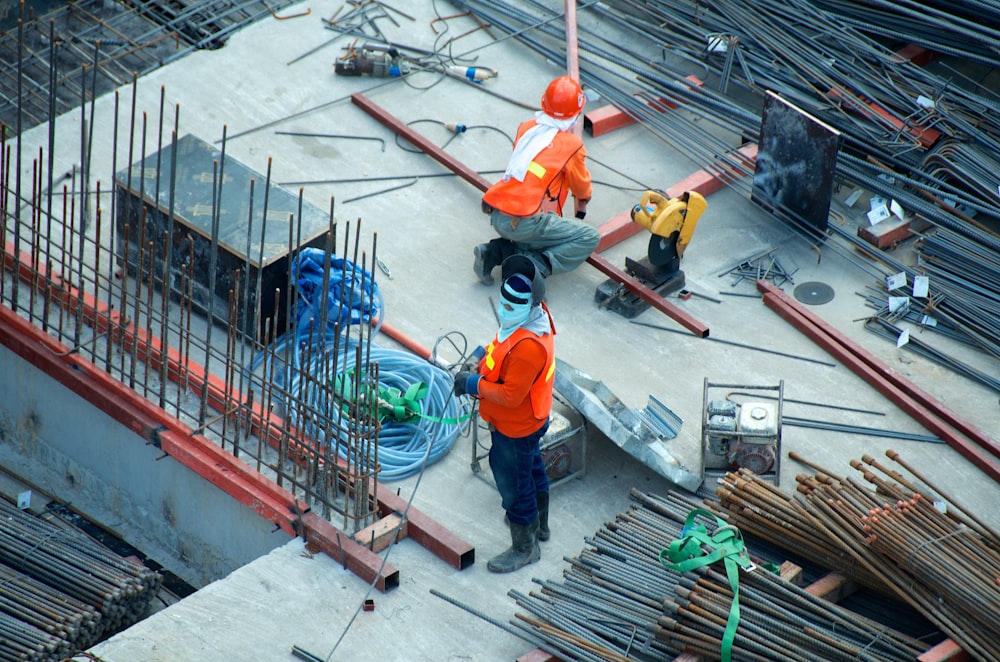
Disaster Relief Housing
Temporary shelter for emergency response, relocation support, and government or NGO housing programs.
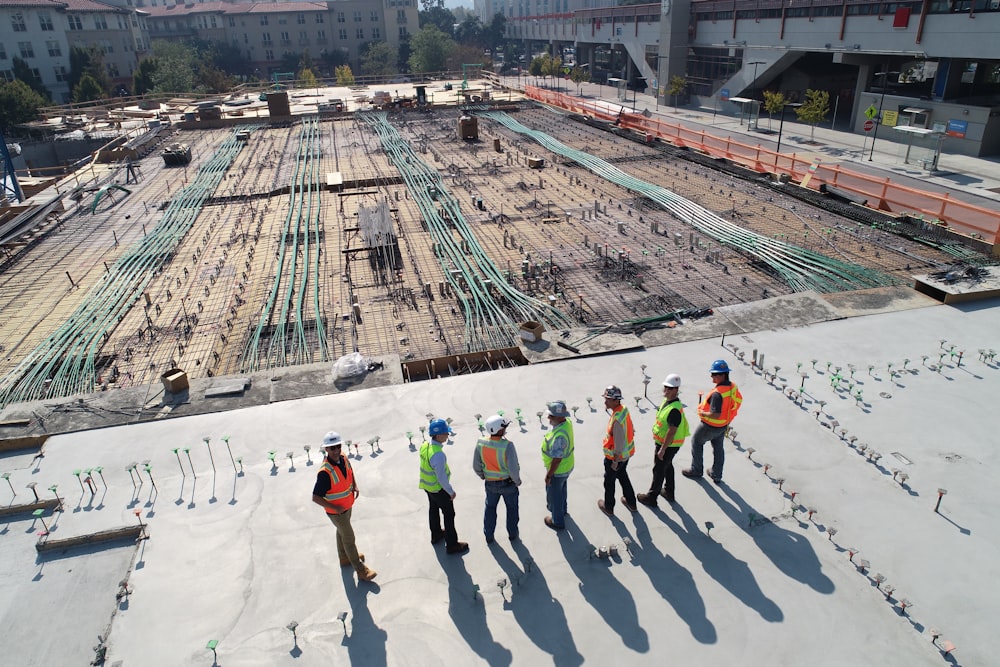
Temporary Worker Accommodation
Fast-deployment living space for construction, mining, infrastructure, and remote project teams.
Remote Site Office
Mobile office cabins for supervisors, engineers, security teams, and project administrators.
Distributor / Rental Fleet Stock
Standardized foldable units for local distributors, rental companies, and project stock programs.
Configure Foldable Housing for Climate, Use, and Destination
Different regions and project types require different configurations. Share your destination country, climate, expected use time, quantity, and interior requirements so suitable options can be recommended.
Select wall panel thickness and insulation type based on temperature range, climate zone, and expected use period.
Review roof sealing, drainage slope, flashing details, and water-resistant connection specifics for your destination climate.
Configure door type, window layout, transport protection method, and security requirements by project type and site condition.
Lighting, sockets, switches, distribution box, and local electrical standard options can be discussed and configured per project.
Toilet, shower, plumbing, ventilation, and drainage options can be planned for selected models based on site access and use type.
Beds, desks, chairs, lockers, cabinets, air conditioning, and other interior packages are available by project scope and quantity.
Spare Parts, Maintenance, and Relocation Support
Many foldable housing projects require repeated movement, rental use, or future relocation. A clear spare parts and maintenance plan helps buyers reduce long-term operating risk.
Spare Parts Package
Hinges, locks, sealing strips, screws, connectors, door and window fittings, and other vulnerable parts can be discussed according to project model and quantity.
Relocation Guidance
For rental or mobile projects, buyers can request guidance on folding, moving, protecting, and redeploying units between project sites.
Maintenance Checklist
Regular checks for hinge condition, locking points, roof sealing, wall joints, drainage, and surface protection help extend service life across repeated use cycles.
QC Focused on Folding, Expansion, and Waterproof Details
For foldable container houses, QC should not stop at material checking. Buyers should pay attention to folding movement, hinge and lock condition, expanded stability, waterproof details, accessory packing, and loading protection.
- Folding and expansion test video
- Hinge and lock inspection photos
- Roof and wall sealing check report
- Packing and container loading photos
Confirm the unit can open and close according to the expected process before leaving the factory.
Inspect key stress points, locking parts, and connection positions for alignment and function.
Review roof joints, flashing, and waterproof connection details in the fully expanded condition.
Inspect side wall connections, corner areas, and folded connection points for gaps or sealing issues.
Confirm protection before transport and adjustment condition after expansion and final installation.
Request photos or video proof for packing condition and container loading to verify safe shipment.
Foldable Container Houses FAQ
Use these questions to check deployment, installation, waterproofing, relocation, and quotation details before sending your inquiry.
Send Your Foldable Container House Requirements
Share your product type, quantity, destination, intended use, and deployment timeline. DingChi will help review the suitable model, configuration, transport handling, and technical support documents for your project.